Why Your Hood May Not Close Properly After a Collision – And What It Could Mean
Published on July 02, 2026
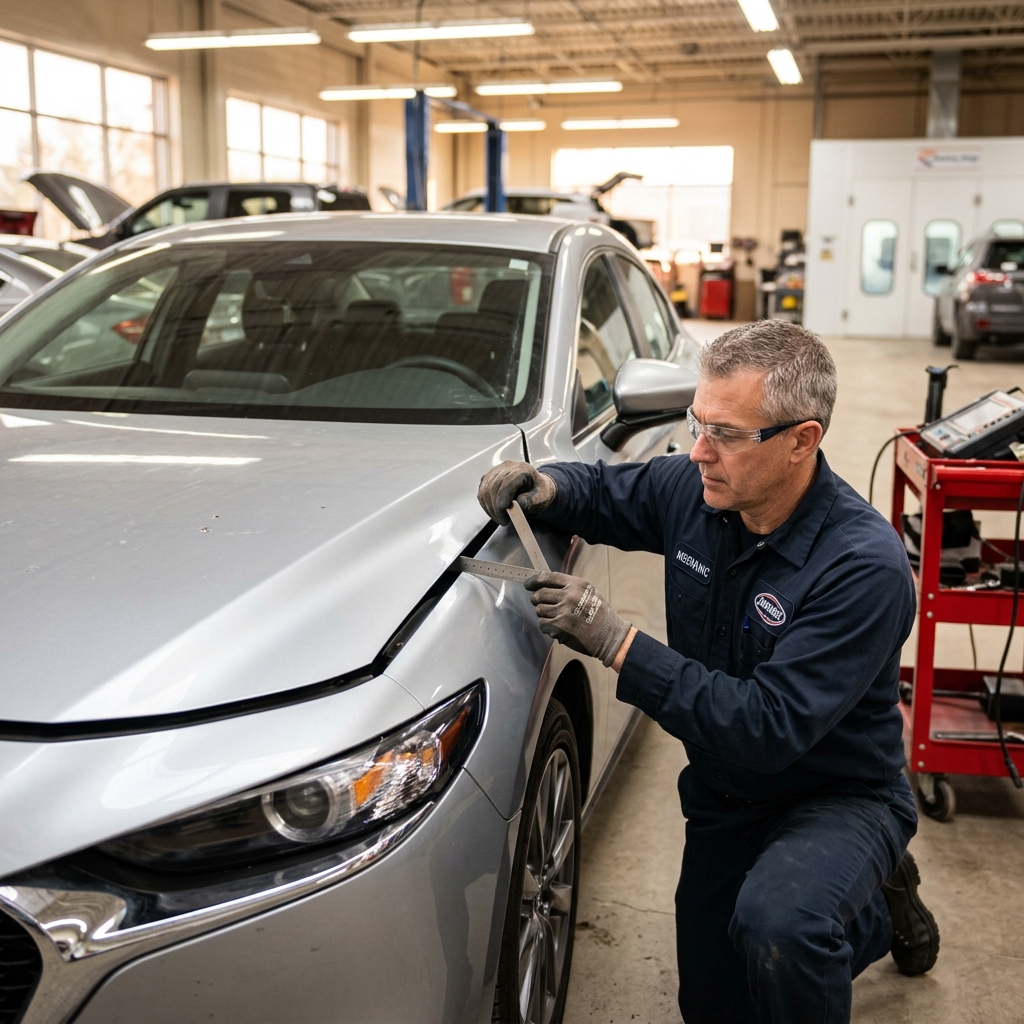
A vehicle's hood is one of the most frequently used components, yet many drivers rarely think about how precisely it is engineered until something goes wrong. After a collision—even one that appears relatively minor—you may notice that the hood doesn't close as smoothly as it once did. Sometimes it requires extra force to latch, while in other cases it sits slightly higher on one side or creates a noticeable gap. Although these changes may seem like simple inconveniences, they can indicate that the impact affected more than just the visible exterior. At Motolux Collision Center in Vancouver, WA, hood alignment is one of the many details technicians inspect carefully after every collision because it often provides valuable clues about hidden structural damage.
Your Hood Is More Than Just a Cover
Many people think the hood simply protects the engine from weather and road debris. While that is true, it also contributes to the overall structural design of the front end of the vehicle. The hood works together with surrounding components such as:
- Front fenders
- Hood hinges
- Latch assembly
- Radiator support
- Front impact structures
Each of these parts is positioned with extremely tight tolerances by the manufacturer. When one component shifts, it can affect how the hood opens, closes, and aligns with the rest of the vehicle.
Why Even Minor Accidents Affect Hood Alignment
Front-end collisions don't always create dramatic damage. Sometimes the bumper absorbs much of the impact, leaving only small dents or scratches. However, impact energy continues moving through nearby structural components. Even low-speed collisions can slightly affect:
- Hood hinge positioning
- Latch alignment
- Radiator support brackets
- Fender alignment
These small changes may not be visible immediately, but they become noticeable every time you open or close the hood.
Common Signs Drivers Notice
Many customers describe similar symptoms after a collision. You may notice:
- The hood requires extra pressure to latch.
- One side sits slightly higher than the other.
- Uneven gaps appear near the headlights.
- The hood vibrates slightly while driving.
- Wind noise increases at highway speeds.
None of these symptoms should automatically be dismissed as "normal after an accident."
Why Proper Hood Alignment Matters
An improperly aligned hood isn't simply an appearance issue. Correct alignment helps maintain:
- Proper airflow through the front of the vehicle
- Secure latch engagement
- Weather sealing around the engine compartment
- Consistent panel fitment
It also helps ensure surrounding body panels function correctly over the long term.
The Inspection Process
Professional collision repair includes much more than repainting damaged panels. Technicians inspect:
- Hood hinge measurements
- Latch operation
- Radiator support alignment
- Panel spacing
- Structural mounting points
These measurements help determine whether the impact affected components beneath the visible damage.
Why Vancouver Drivers Shouldn't Ignore Small Changes
Driving in Vancouver means frequent rain, changing temperatures, and daily highway travel. If the hood doesn't seal properly, moisture and road contaminants may reach areas they weren't intended to, potentially affecting components inside the engine compartment over time.
If your hood doesn't feel the same after a collision, there's usually a reason. The change may seem small today, but it could indicate that nearby structural components have shifted during the impact. Having the vehicle professionally inspected helps ensure everything beneath the surface is restored correctly—not just the visible damage.
Is Your Hood Misaligned?
Don't ignore changes in how your hood closes or fits. Let Motolux Collision Center in Vancouver, WA inspect it for hidden damage and ensure your vehicle is safe.